
The Little Gold
Why the work you never bothered with is where the money is now.
A short read for anyone who runs a business, with a gold rush in it. From Stu Jordan, free to read.
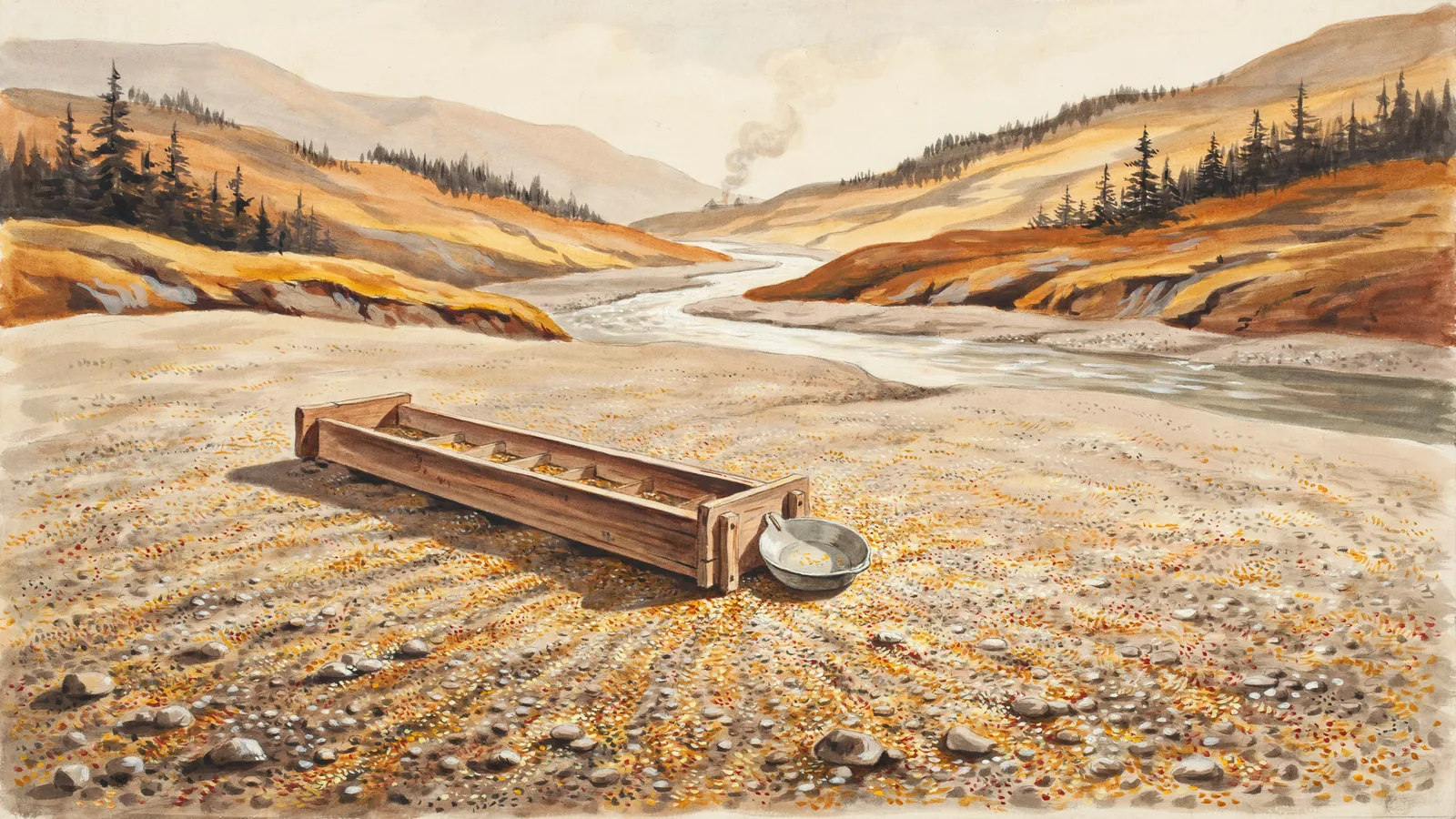
In the Klondike gold rush the old-timers took the nuggets and walked past the rest. They weren’t being careless. Gold was about twenty dollars an ounce, and with a pan and a sluice box the fine stuff cost more to get out than it was worth, so they left it in the ground.
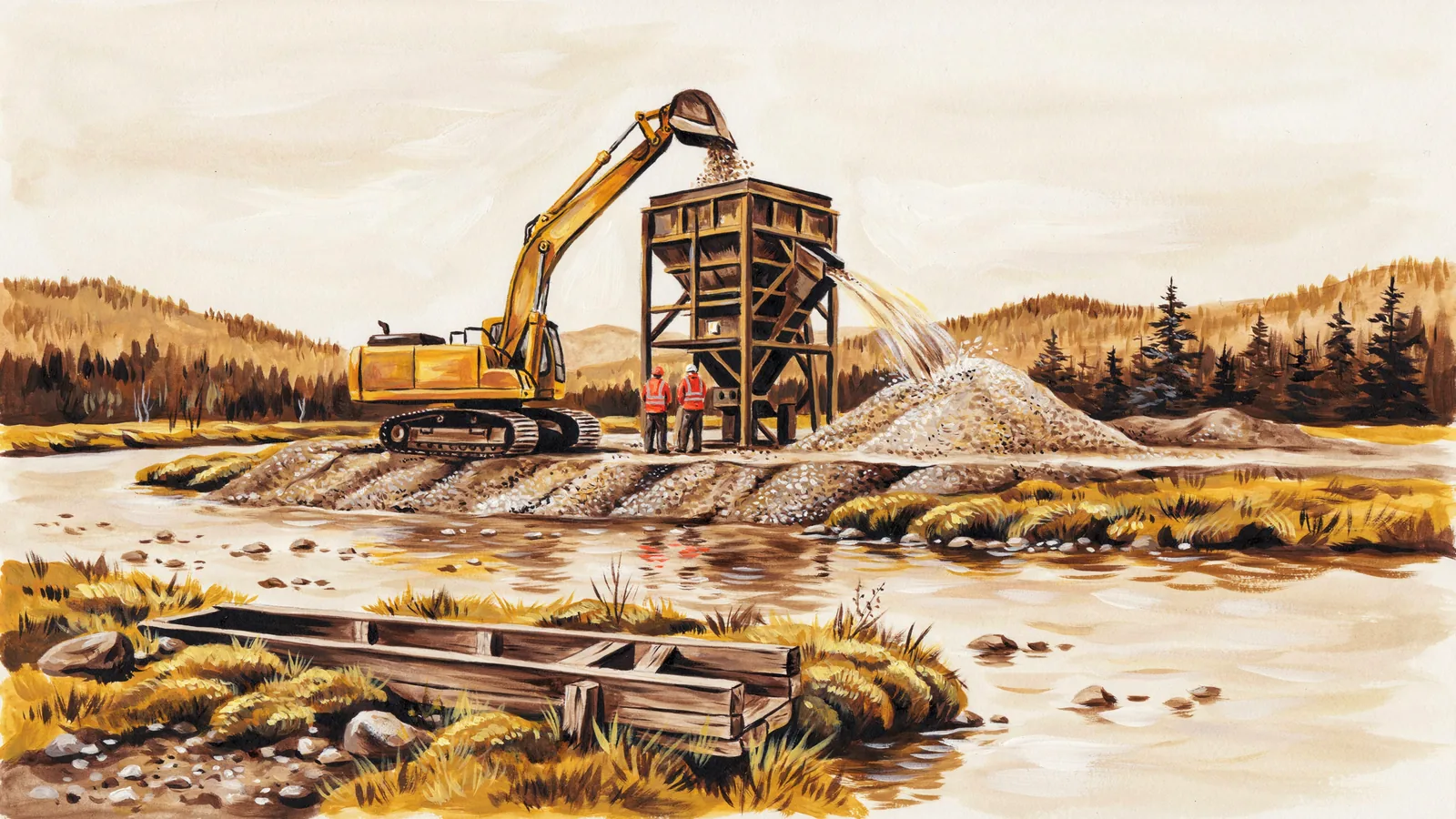
Crews go back over those same creeks today with excavators and wash plants, and they pull millions out of the gravel the old-timers didn’t think was worth their time. Gold’s worth about two hundred times what it was back then, and the machines make the fine stuff cheap to recover.
Nothing about the gold changed. What changed was the maths. Miners have a name for the line between ground that’s worth working and ground that isn’t. They call it the cut-off grade, and it moves whenever the price of gold or the cost of getting it out moves.
Press play.
AI is moving that line in business right now. Most people are counting the hours it saves, and that’s fair enough, but the bigger thing is what it does to the cost of doing the work people pay you for. When that cost drops, the line between work that pays and work that doesn’t drops with it.
That cuts both ways. The work you already sell gets cheaper to do, for you and for everyone else, so its price comes under pressure. And work that used to cost too much to bother with starts paying. That second part is the little gold, and it’s where I’d be spending my time.
The first part is already happening. A job that took five hours of skilled work takes twenty minutes with AI alongside, and the quality holds. It doesn’t work for every job yet, though it works for enough of them. If you bill by the hour, the saving goes straight to your customer. Charging for the result instead only holds your price until someone else in your market does the same, and they will, because the same AI is sitting on their desk too.
Press play.
That’s what makes it so easy to miss. The thing you sell can keep working perfectly right up until people stop paying for it.
Your business has a cut-off grade too
Now the good part. Every business has work sitting below its line, stuff people would happily have paid for that never made sense at the old cost of doing it.
For a lot of businesses that’s the customers you could never afford to look after properly at a price they’d pay, and the small jobs you stopped quoting because setting them up ate the margin. Past customers are usually down there too, the ones you meant to keep in touch with and never found the hours for. So is the extra work only your biggest clients get, because it takes a day to put together and nobody smaller would pay for the day.
Everyone else in your market left it there too. That cost just came down, and some of what’s below your line is worth doing now.
So keep the business you’ve got paying the bills while it still works, and use that time to start building the next thing alongside it. Go through your business looking for the work that’s just come up above the line, and offer it to your existing customers first, because they already trust you. I wouldn’t hang about.
Find your little gold
That’s what I built Make AI Pay for. It’s a short course, and your AI does the work with you. First it learns how your business runs and works out where the money in your market is heading. Then it helps you turn what you find into one new offer, and writes the emails that take it to the people who already know you.
Modules 1 and 2 are free, so start with the first one.
~ Stu